Where your home is located can have a major impact on how insurance companies evaluate risk. For homeowners in Owasso, OK, understanding how high-risk zones affect home insurance can help you prepare for premium changes, coverage limitations, inspections, and possible requirements from lenders or insurers.
What A High-Risk Zone Means
A high-risk zone is an area where homes may be more likely to experience certain types of damage or claims. This can include risk from severe storms, hail, wind, wildfire, flooding, earthquakes, crime, prior claim frequency, or other location-based concerns.
The direct answer is this: living in a high-risk zone can affect your
home insurance by increasing premiums, changing deductible options, limiting available coverage, triggering inspections, requiring additional policies, or making some insurers less willing to offer coverage. The effect depends on the type of risk, the condition of the home, the insurer’s guidelines, and the coverage being requested.
In our work with clients, a common issue we see is that
homeowners think risk is based only on the house itself. The age of the roof, wiring, plumbing, and maintenance all matter, but location also plays a major role in pricing and eligibility.
Why Insurance Companies Care About Location
Insurance companies use location to estimate the likelihood and severity of future claims. If homes in a certain area experience frequent hail claims, wind damage, water losses, theft, or wildfire exposure, insurers may price policies differently or apply stricter underwriting rules.
A home near Redbud Festival Park may have very different characteristics from a rural property with more acreage, outbuildings, or limited fire access. Even within the same region, risk can vary by neighborhood, construction type, roof age, drainage, tree coverage, and distance to fire protection.
Insurers may consider:
- Weather patterns
- Claim history in the area
- Fire protection class
- Distance to a fire station or hydrant
- Flood exposure
- Roof age and material
- Local construction costs
- Crime and theft data
- Wildfire or brush exposure
- Prior losses at the property
This is why two similar homes can have different premiums if they are located in different risk zones.
Premiums May Be Higher
One of the most noticeable effects of a high-risk zone is a higher premium. If the insurer believes the home is more likely to have a claim, the cost of coverage may increase.
For example, areas with frequent hail or wind damage may see higher
home insurance rates because roof and exterior claims are more common. Areas with higher fire risk or limited emergency response access may also cost more to insure. If theft or vandalism losses are more common in a location, personal property and dwelling rates may be affected as well.
A higher premium does not always mean the insurer is penalizing the homeowner personally. It often reflects the broader risk environment tied to the property’s location.
Deductibles May Be Different
In high-risk areas, insurers may use separate deductibles for certain causes of loss. Instead of one standard deductible for every claim, the policy may include different deductibles for wind, hail, named storms, earthquake, or other specific risks.
These deductibles may be flat dollar amounts or percentages of the dwelling limit. A percentage deductible can be much higher than it appears at first glance. For example, a 2% deductible on a home insured for $400,000 would mean the homeowner is responsible for $8,000 before coverage applies to that type of claim.
Homeowners should review:
- Standard deductible
- Wind and hail deductible
- Roof deductible
- Earthquake deductible, if applicable
- Water-related deductible
- Whether deductibles are flat or percentage-based
- Whether the deductible changed at renewal
A common mistake is focusing only on the annual premium and overlooking the deductible. A lower premium with a much higher deductible may not be the best value if a claim happens.
Coverage May Be Limited Or Modified
High-risk zones can also affect the coverage terms offered by insurance companies. An insurer may still provide a policy, but with specific limitations, exclusions, or endorsements.
Examples may include:
- Actual cash value roof coverage instead of replacement cost
- Cosmetic damage exclusions for hail
- Higher wind or hail deductibles
- Water damage limitations
- Mold limits
- Exclusions for certain detached structures
- Inspection requirements
- Required repairs before coverage continues
- Limited coverage for older homes or roofs
For homes near Bailey Ranch or properties with larger lots, detached structures, fences, sheds, and exterior features should be reviewed carefully. These items may not always be covered the way homeowners expect, especially after storm or wind damage.
Some Risks May Require Separate Policies
A standard
home insurance policy does not cover every type of risk. If a home is located in an area with specific exposures, separate coverage may be needed.
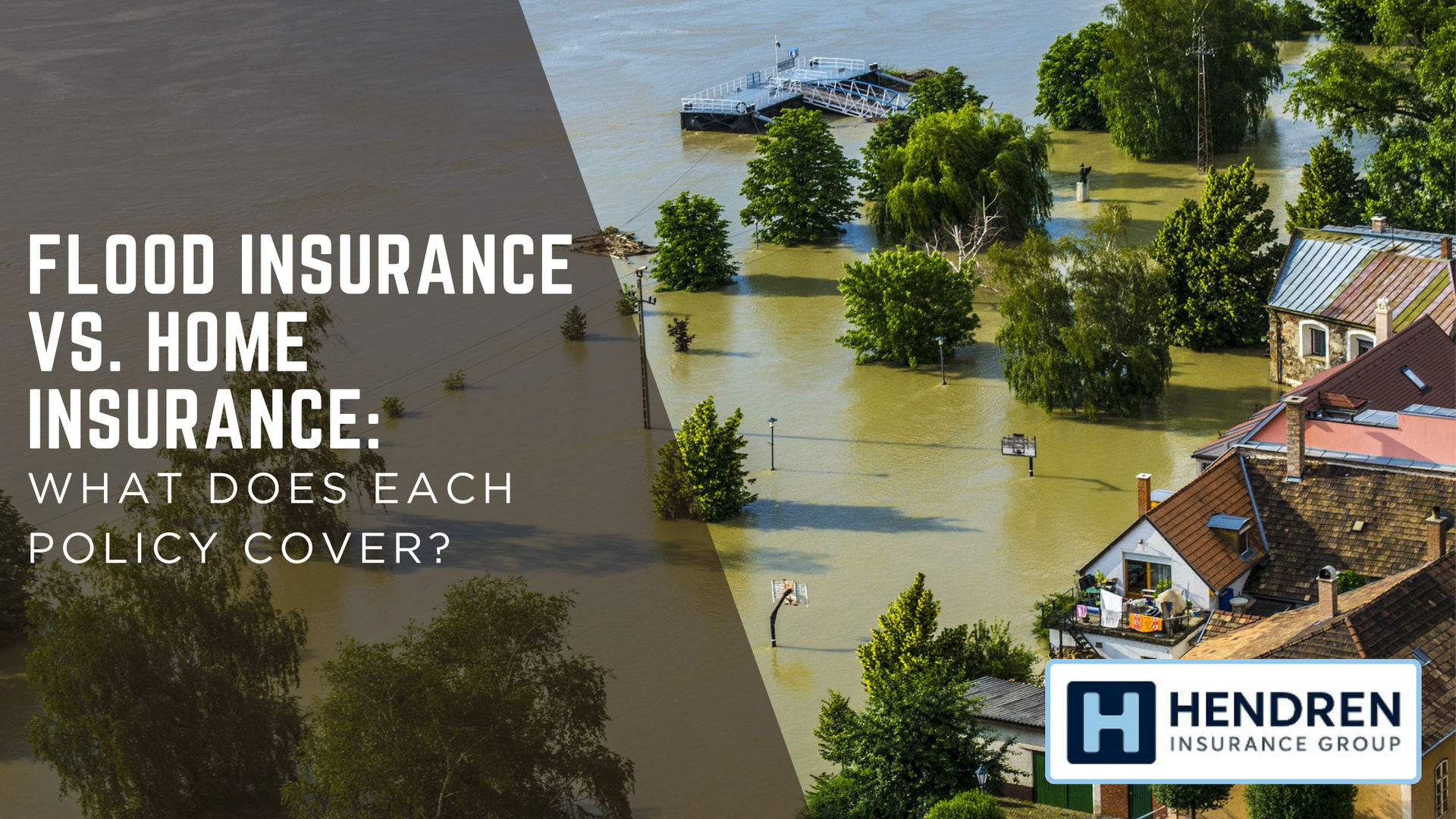
Flooding is one of the most important examples. Standard homeowners insurance usually does not cover flood damage caused by rising water, surface water, or overflow from bodies of water. Flood insurance may need to be purchased separately.
Other separate or specialized policies may include:
- Flood insurance
- Earthquake insurance
- Windstorm coverage in certain areas
- Excess liability or umbrella insurance
- Specialty coverage for high-value homes
- Separate coverage for farm, ranch, or business exposures
For
homeowners in Owasso, OK, the key is to understand which risks are included in the home policy and which require separate coverage. Assuming everything is covered under one policy can lead to expensive surprises.
Inspections May Become More Important
Homes in higher-risk areas may be subject to more careful underwriting. The insurance company may request exterior photos, roof details, updates on major systems, or a full inspection before issuing or renewing coverage.
The insurer may look at:
- Roof age and condition
- Tree limbs overhanging the home
- Siding condition
- Foundation concerns
- Electrical system
- Plumbing system
- Heating system
- Water heater age
- Fire hazards
- Debris or maintenance issues
- Handrails, steps, and liability hazards
If the inspection finds concerns, the insurer may require repairs, exclude certain damage, increase the premium, or decide not to continue coverage. This can be frustrating, but it is often tied to the insurer’s assessment of future claim risk.
Roof Age Can Have A Major Impact
In areas with frequent wind or hail claims, roof age is one of the biggest underwriting factors. An older roof may be more likely to suffer damage, leak, or fail during severe weather.
Some insurers may offer replacement cost coverage only for newer roofs. Others may switch older roofs to actual cash value coverage, which factors in depreciation. That means the claim payment may be lower than the cost to install a new roof.
Homeowners should keep records of roof replacement, repairs, inspections, materials, warranties, and contractor invoices. If the roof was recently replaced, make sure the insurance company has accurate documentation.
A common issue we see is that a policy still lists an older roof even after replacement. That can affect pricing and coverage, so updates should be reported.
Claims History Can Affect Availability
Location-based risk is not the only factor. The claim history of the property and the
homeowner can also affect coverage. If a home has had multiple water, wind, hail, fire, or liability claims, insurers may review it more carefully.
A high-risk zone combined with frequent claims can make coverage more expensive or harder to place. That does not mean homeowners should avoid legitimate claims, but it does mean small claims should be considered carefully when the cost is close to the deductible.
Insurance is designed for significant financial losses. Filing frequent small claims can sometimes affect future pricing or eligibility.
What Homeowners Can Do To Improve Insurability
You cannot move your home out of a risk zone, but you can take steps to make the property more attractive to insurers and reduce the chance of loss.
Practical steps include:
- Maintain the roof and document repairs
- Trim trees away from the home
- Keep gutters and drainage clear
- Install smoke detectors and fire extinguishers
- Update older plumbing or electrical systems
- Improve exterior lighting
- Add monitored security or leak detection devices
- Repair damaged siding, steps, or handrails
- Keep records of major home improvements
- Review coverage before renewal
For homeowners in Owasso, OK, proactive maintenance can help support underwriting conversations and reduce avoidable claim problems.
Conclusion
Living in a high-risk zone can affect
home insurance through higher premiums, different deductibles, coverage limitations, inspection requirements, separate policy needs, and stricter underwriting. The risk may come from weather, fire exposure, flood potential, claim frequency, property condition, or other local factors. The best approach is to review your policy carefully, understand which risks are covered, keep the home well maintained, and update coverage as the property changes.
At Hendren Insurance Group, we believe in protecting what matters most to you. Our experienced team is here to help you find insurance coverage that’s both affordable and customized to your unique needs. Contact us today at (918) 272-4700 or CLICK HERE to request your free quote.
Disclaimer: The content of this blog is intended solely for general informational use. For advice tailored to your situation, consult a licensed insurance professional who can offer expert recommendations.
Hendren Insurance Group
Owasso, OK
(918) 272-4700
https://www.insureowasso.co