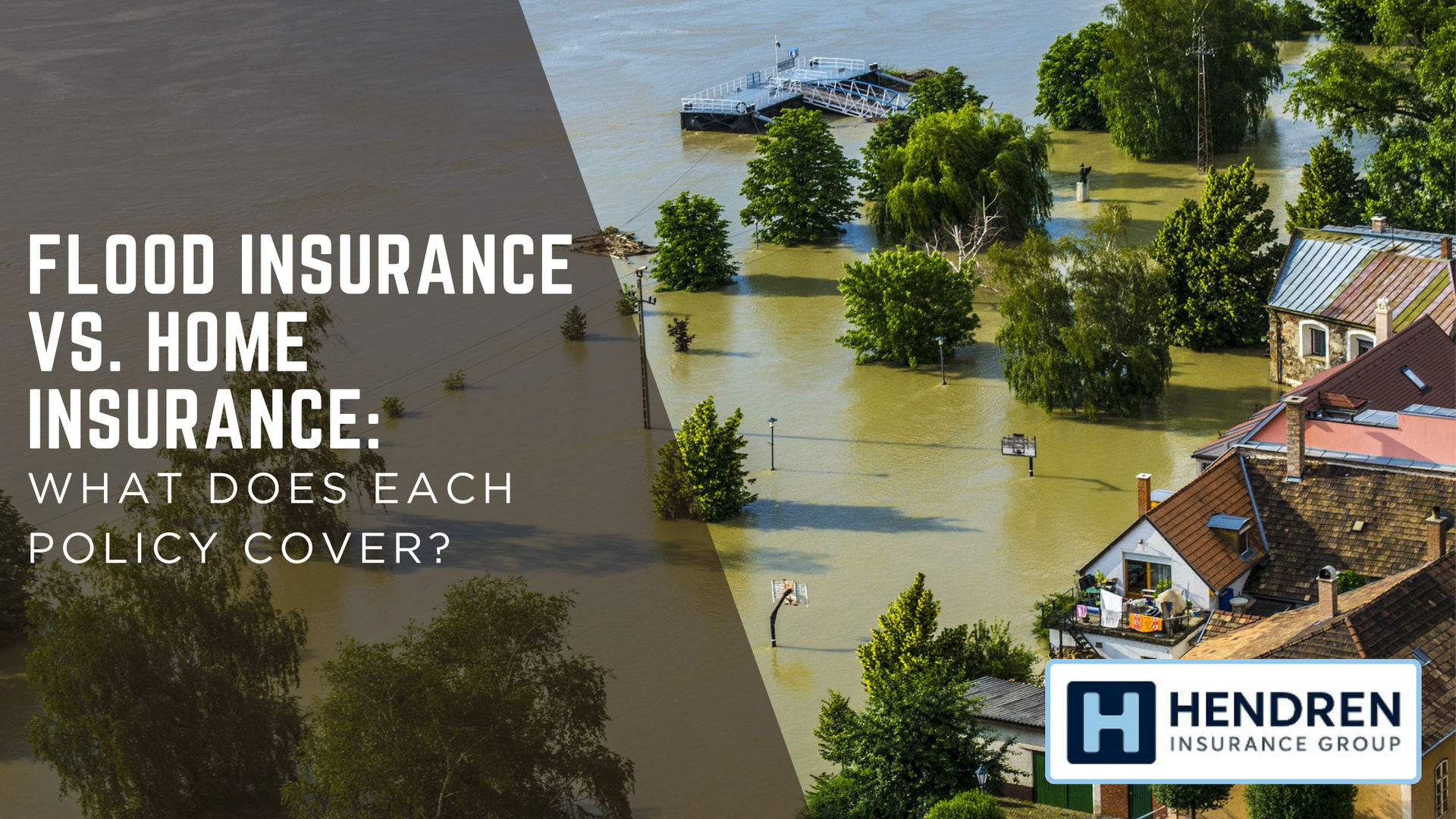
Water damage and flood damage are not the same in insurance, and that difference can determine whether a claim is covered or denied. In most cases, standard home insurance may cover certain sudden and accidental water damage inside the home, while flood damage from rising water usually requires separate flood insurance.
Why This Difference Causes So Much Confusion
Many homeowners use the words water damage and flood damage as if they mean the same thing. From an
insurance standpoint, they usually do not. The source of the water, how it entered the home, and whether the event fits the policy definition of a covered loss all matter.
A common issue we see is a homeowner saying, “Water damaged my house, so my homeowners policy should pay,” without realizing the insurer is asking a more specific question: where did the water come from? If the damage came from a burst pipe, an overflowing appliance, or another sudden internal event, the policy may respond differently than it would if water entered from outside and rose across the ground. In Owasso, OK, that distinction is important because heavy rain, drainage issues, plumbing failures, and storm-related water events can all look similar at first but trigger very different insurance outcomes.
What Water Damage Usually Means Under Home Insurance
Water damage under a standard
homeowners policy often refers to sudden and accidental water-related losses that happen inside the home or as part of a covered event. The policy is usually built to help with unexpected damage, not ongoing maintenance problems or excluded outside flooding.
Examples of water damage that may be covered in many policies include:
- A pipe that suddenly bursts
- A washing machine hose that unexpectedly fails
- An accidental overflow from certain household systems
- Water damage from putting out a covered fire
- Rain entering after wind or hail creates a covered opening in the structure, depending on the facts
The important theme is sudden and accidental damage. That does not mean every water-related loss is covered, but it is often where coverage starts. If the event was abrupt, internal, and otherwise fits the policy, homeowners insurance may help repair the resulting damage to the structure and, in many cases, affected personal property.
What Flood Damage Usually Means
Flood damage is usually treated very differently. In
insurance, flood generally refers to water that rises or accumulates from outside the home and enters the property from the ground up or through widespread surface water conditions. Standard homeowners insurance usually does not cover this type of loss.
Flood damage may involve situations such as:
- Rising water after heavy rain
- Overflow from nearby creeks, drainage systems, or retention areas
- Surface water entering the home after pooling outside
- Mudflow or similar qualifying flood-related events in some flood policy contexts
This is the point where many claim misunderstandings happen.
Homeowners often focus on the fact that water entered the house and caused damage. The insurer focuses on whether that water came from inside the plumbing system or from external rising water conditions. If it is flood by policy definition, a separate flood insurance policy is usually needed.
Why The Source Of The Water Matters More Than The Damage Itself
One of the biggest
insurance misconceptions is that the severity of the damage determines whether the claim is covered. Usually, that is not how the policy works. Two homes can have nearly identical damage to flooring, drywall, cabinets, and furniture, but one claim may be covered and the other denied because the source of the water was different.
For example, if a pipe bursts behind a wall and damages several rooms, that may fall under covered water damage, depending on the policy terms. If heavy rain causes water to build up outside and enter through doors or the foundation, that is usually treated as flood damage instead. The visible result inside may look similar, but the insurance treatment can be very different.
In our work with clients, this is one of the most common points of confusion. People naturally focus on what was damaged. Insurance usually starts with why it was damaged.
What Standard Home Insurance Often Does Not Cover
Even when the loss is not flood-related, homeowners should be careful not to assume every water problem is automatically covered. Standard
home insurance often excludes or limits water damage that develops gradually, results from neglected maintenance, or comes from repeated seepage over time.
Common examples that may not be covered include:
- Long-term plumbing leaks
- Ongoing seepage behind walls
- Water damage caused by poor maintenance
- Groundwater entering the home
- Flooding from rising outside water
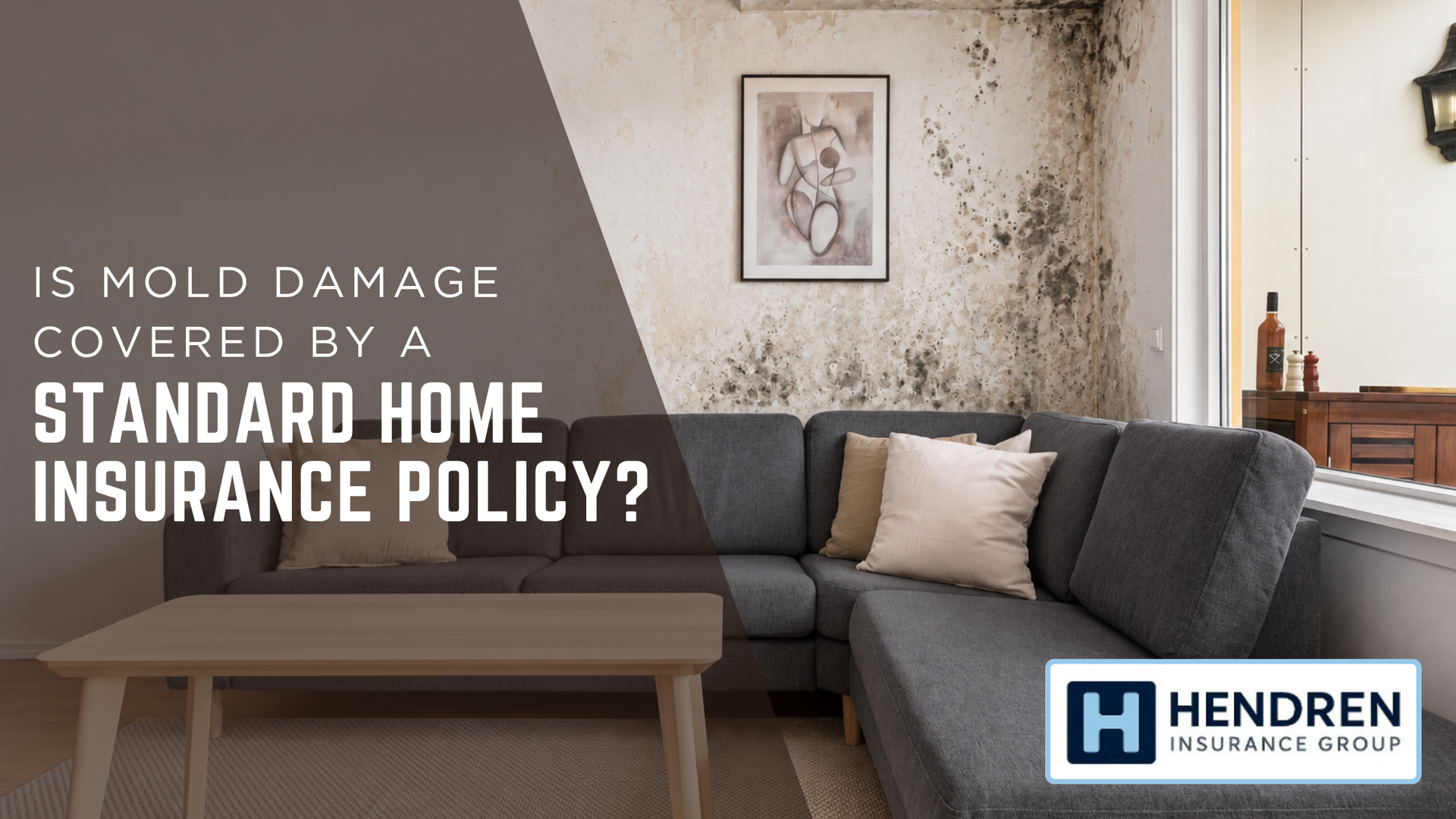
- Mold resulting from delayed cleanup or chronic moisture issues, depending on the situation
A common issue we see is a homeowner discovering significant damage under a sink or around a bathroom fixture and assuming the policy will pay because the water damage is real and expensive. But if the loss developed slowly and should have been addressed earlier, the insurer may treat it as a maintenance issue rather than a sudden covered event.
Around Centennial Park or near Bailey Ranch, homeowners often encounter weather-related moisture concerns and drainage questions, which is why understanding the source and timeline of water intrusion matters so much before a claim happens.
Why Flood Insurance Is A Separate Conversation
Flood insurance exists because flood risk is generally handled outside the standard homeowners policy. Many homeowners are surprised by this, especially if they do not believe they live in a “high-risk” flood area. But flood claims are not limited only to the most obviously exposed properties.
A common issue we see is someone believing
flood insurance is only relevant for homes directly next to large bodies of water. In reality, flood losses can happen because of drainage backups, localized heavy rainfall, runoff patterns, and other surface water conditions. The need for flood insurance should be evaluated based on property risk, not just broad assumptions about location.
This matters because without separate flood insurance, a homeowner may discover after a major rain event that the loss they assumed would be covered under home insurance falls into a category the policy excludes.
How To Respond After Water Enters The Home
When water enters the home, the best immediate response is to document the damage, take reasonable steps to prevent further loss, and report the claim promptly. But it is also important to avoid making assumptions about coverage before the cause is clearly identified.
Practical first steps often include:
- Taking photos and video of the damage
- Stopping the water source if it is safe to do so
- Preventing additional damage where possible
- Saving damaged items until they are documented
- Reporting the loss promptly to the insurer
- Keeping receipts for emergency mitigation work
A common mistake we see is homeowners describing every water event as a “flood” in casual conversation, even when the source may have been something else. Since insurance definitions matter, it is better to describe exactly what happened rather than using a broad label that may not match the policy language.
Why A Coverage Review Matters Before There Is A Claim
The easiest time to understand the difference between water damage and flood damage is before a loss happens. Once water is already in the home, the conversation becomes more stressful, and the policy details matter fast.
A good review should help answer questions like:
- Does my homeowners policy cover sudden internal water losses?
- Do I have any endorsements affecting water-related claims?
- Do I also need
flood insurance for my property?
- Have I assumed flood coverage exists when it actually does not?
- Would I know how to describe the source of a water loss accurately?
In Owasso, OK, these questions can help homeowners avoid one of the most frustrating claim situations: finding out after major damage that the loss fell into a different category than expected.
Conclusion
Water damage and flood damage may look similar inside a home, but insurance treats them very differently. Standard home insurance may help with certain sudden and accidental internal water losses, while flood damage from rising outside water usually requires separate flood insurance. The key issue is not just that water caused the damage, but where the water came from and how the policy defines the event.
At Hendren Insurance Group, we believe in protecting what matters most to you. Our experienced team is here to help you find insurance coverage that’s both affordable and customized to your unique needs. Contact us today at (918) 272-4700 or CLICK HERE to request your free quote.
Disclaimer: The content of this blog is intended solely for general informational use. For advice tailored to your situation, consult a licensed insurance professional who can offer expert recommendations.
Hendren Insurance Group
Owasso, OK
(918) 272-4700
https://www.insureowasso.com