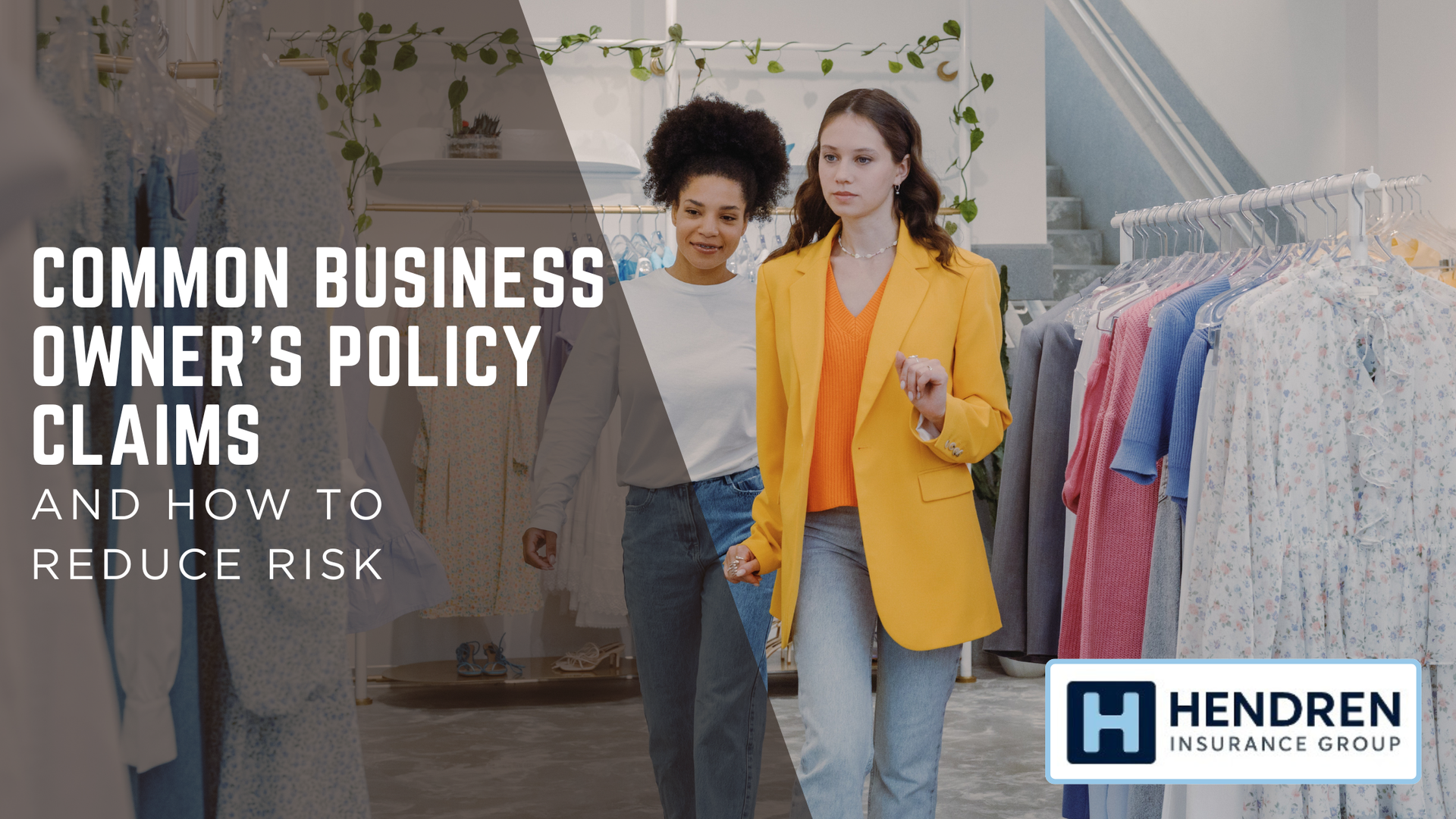
A Business Owner’s Policy can combine several essential protections, but claim outcomes still depend on the cause of loss, policy limits, exclusions, and documentation. For businesses in Owasso, OK, understanding the claims that occur most often can help owners strengthen daily procedures before a disruption becomes expensive.
What a Business Owner’s Policy Usually Includes
A
Business Owner’s Policy, commonly called a BOP, typically combines commercial property insurance with general liability coverage. Many policies also include business income protection and extra expense coverage, although the exact structure varies by insurer.
A BOP may help protect:
- Buildings owned by the business
- Furniture, equipment, and inventory
- Tenant improvements
- Lost income after a covered shutdown
- Certain extra operating expenses
- Claims involving customer injuries
- Claims involving damage to another person’s property
- Certain advertising or personal injury allegations
A
BOP is designed for eligible small and midsize businesses with relatively predictable risks. Companies with specialized operations, substantial vehicle fleets, professional liability exposure, or high-risk activities may need additional policies.
Fire and Smoke Damage
Fire is one of the most serious commercial property claims because it can damage the building, equipment, inventory, electrical systems, and neighboring property at the same time. Smoke and water used during firefighting can also cause extensive losses.
Common causes include:
- Faulty wiring
- Overloaded outlets
- Cooking equipment
- Heating systems
- Flammable materials
- Machinery
- Smoking
- Hot work such as welding
Reduce the risk by maintaining electrical systems, servicing heating and cooking equipment, and storing combustible materials properly. Fire extinguishers should be visible, accessible, and professionally inspected.
Businesses should also keep exits clear and train employees on evacuation procedures. A written emergency plan is especially important for operations near busy commercial areas such as the Redbud District, where customers, employees, and neighboring tenants may all be affected by a single incident.
Water Damage
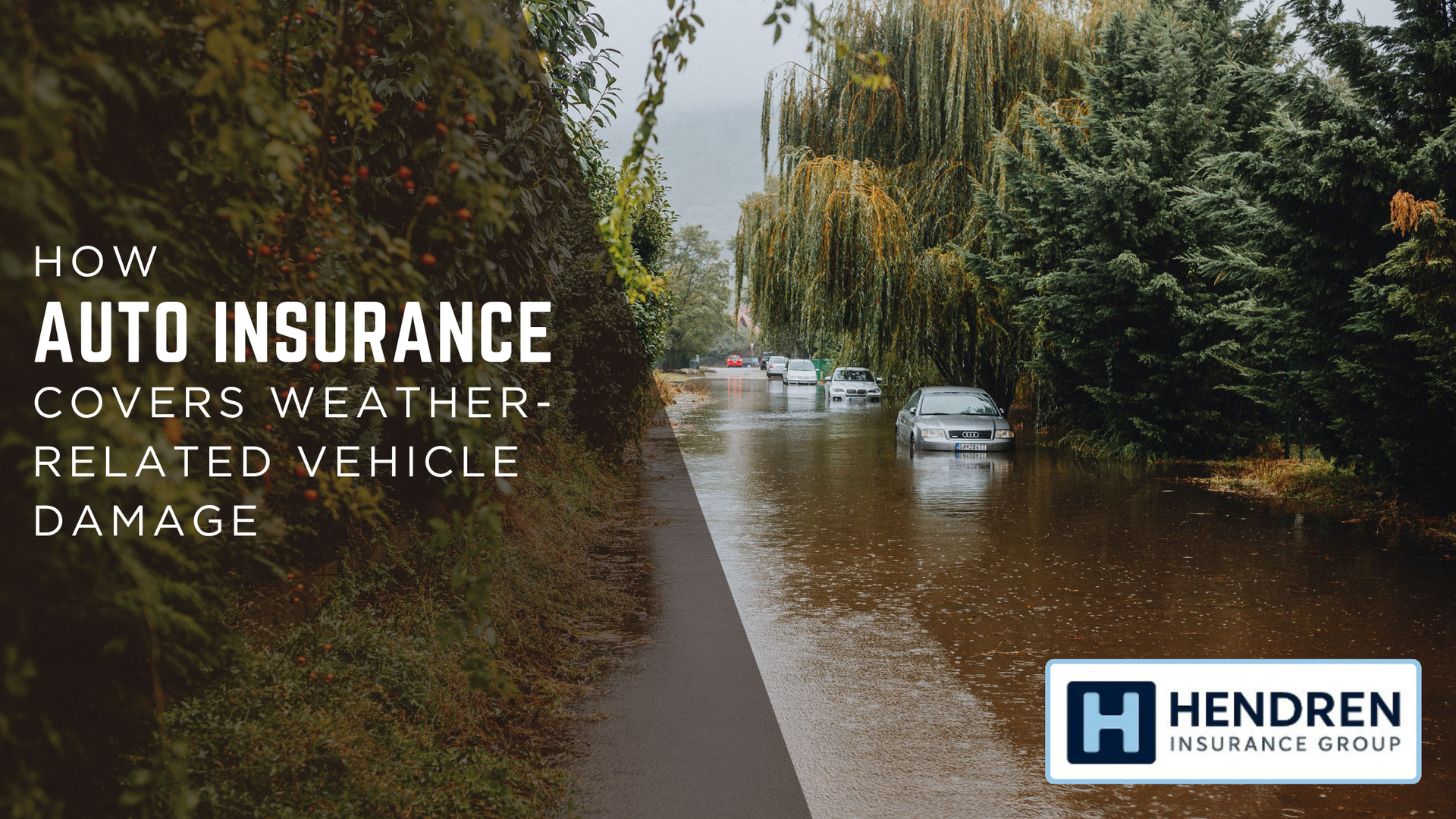
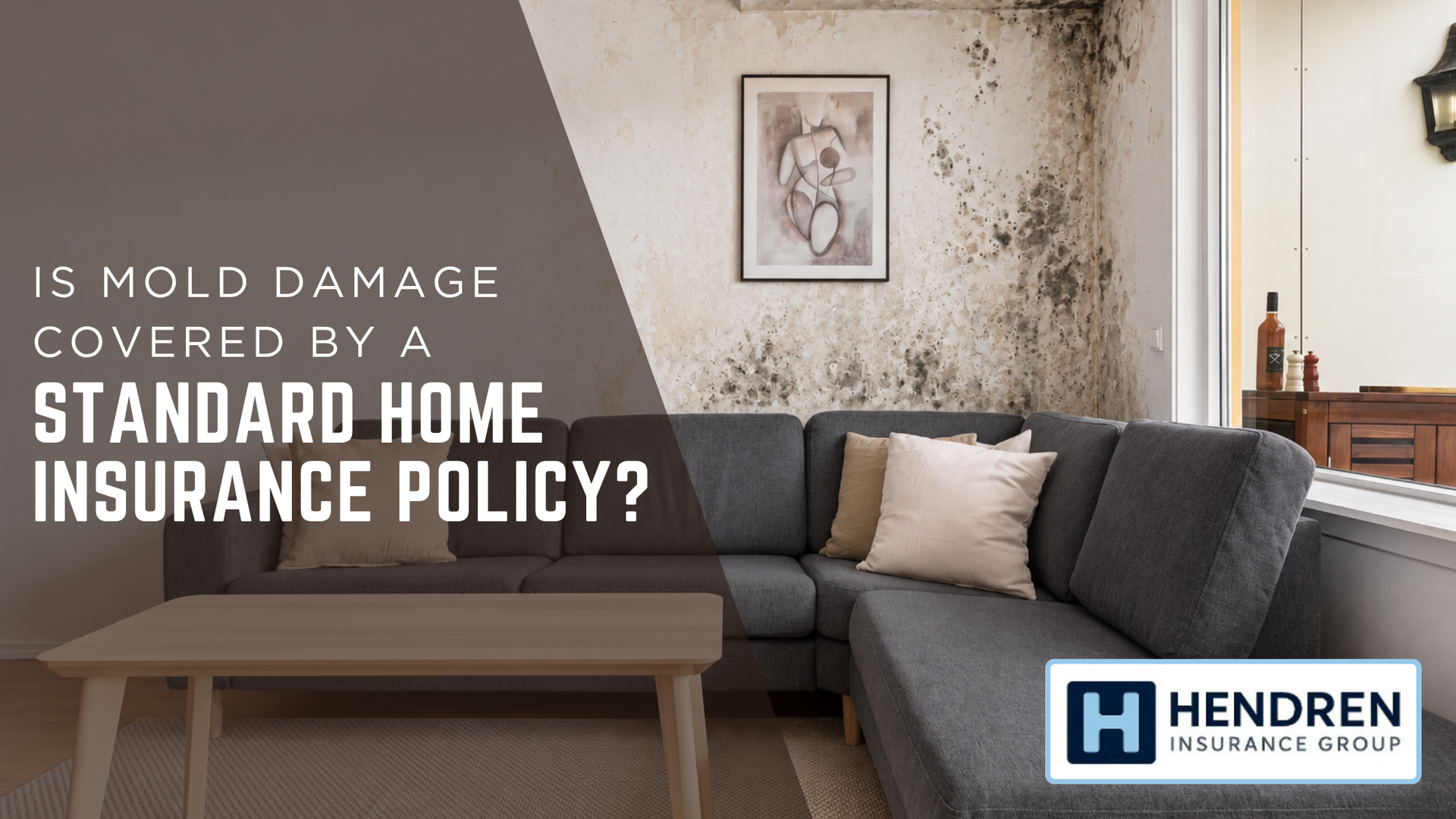
Water damage can result from burst pipes, failed appliances, roof leaks, sprinkler systems, or plumbing backups. Coverage depends heavily on the source and timing of the damage.
A sudden pipe break may be covered, while long-term seepage, poor maintenance, floodwater, or sewer backup may be excluded or require a separate endorsement.
Practical prevention measures include:
- Inspecting plumbing regularly
- Repairing minor leaks promptly
- Maintaining roofs and gutters
- Protecting pipes from freezing
- Installing water-detection sensors
- Knowing where shutoff valves are located
- Keeping sensitive inventory off the floor
Assign employees who are authorized to shut off water during an emergency. Post clear instructions near utility controls and include contact information for plumbers, restoration companies, and property managers.
Theft and Burglary
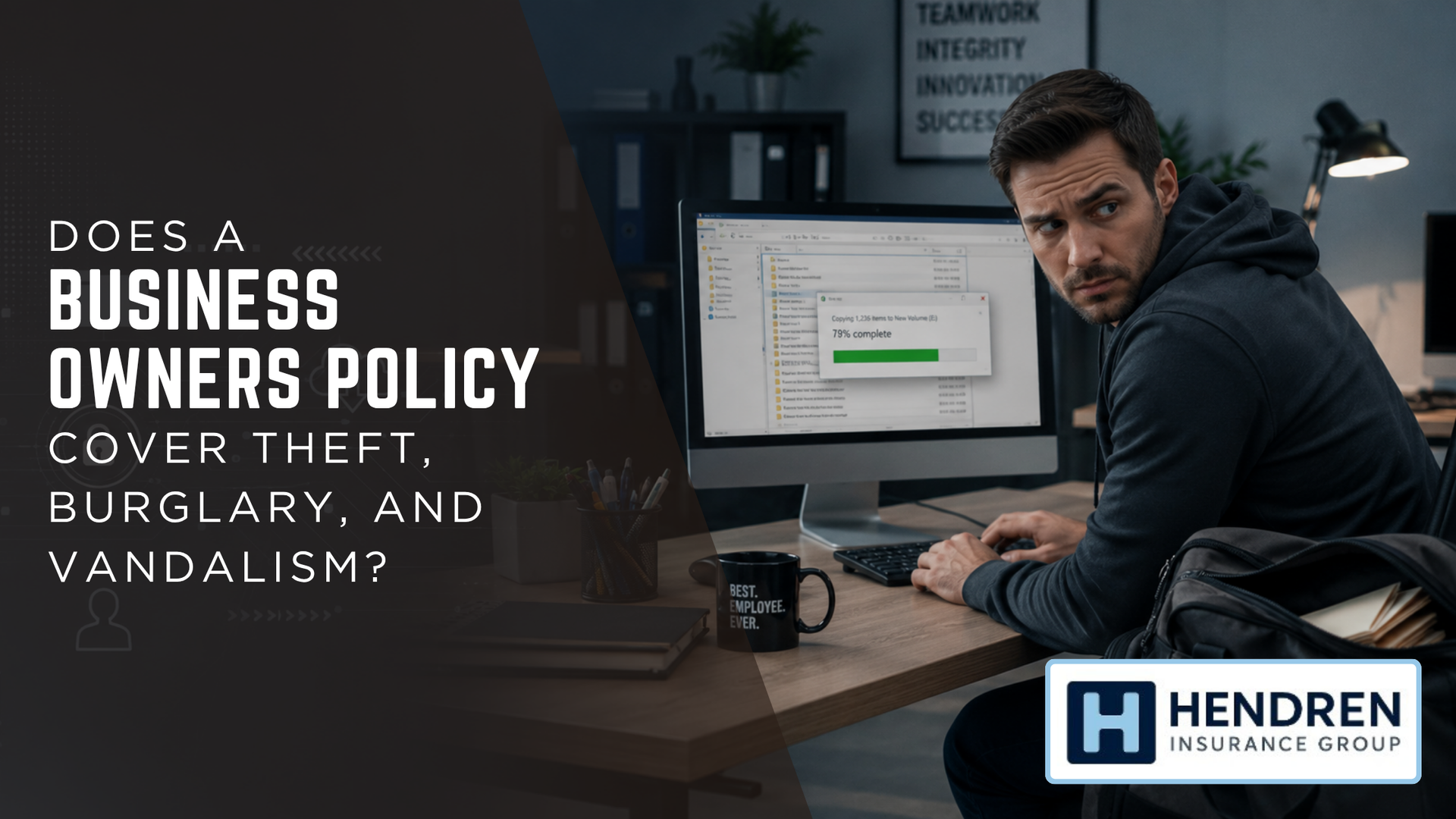
Theft claims may involve inventory, cash, tools, electronics, customer property, or equipment. Forced entry is only one possibility; employee theft and social engineering can also create significant losses.
Improve security by using:
- Commercial-grade locks
- Monitored alarms
- Exterior lighting
- Surveillance cameras
- Restricted key access
- Inventory controls
- Cash-handling procedures
- Background checks where appropriate
Change alarm codes and recover keys immediately when an employee leaves. Review camera placement to ensure entrances, cash registers, storage areas, and loading zones are visible.
A common issue we see is businesses installing security systems but failing to test them. Cameras with dead batteries, outdated storage, or blocked views provide little value after a loss.
Vandalism and Malicious Damage
Vandalism can include broken windows, graffiti, damaged signs, destroyed landscaping, or deliberate damage to equipment. These incidents often occur after hours when the property is less visible.
Businesses near Centennial Park or other public gathering areas should pay particular attention to lighting, exterior cameras, window protection, and access control.
Report vandalism to law enforcement and photograph the damage before cleanup begins. Preserve damaged property when practical and keep receipts for emergency boarding, glass replacement, and temporary security.
Customer Slip-and-Fall Claims
Slip-and-fall claims are among the most common general liability losses. They may result from wet floors, uneven pavement, poor lighting, cluttered aisles, loose rugs, ice, or damaged stairs.
Reduce risk by creating a documented inspection schedule. Employees should check entrances, restrooms, aisles, parking areas, and walkways at regular intervals.
When a hazard is found:
- Block access to the area.
- Place warning signs.
- Correct the condition promptly.
- Record when it was discovered.
- Document the repair or cleanup.
After an incident, complete a factual report and preserve video footage. Avoid admitting fault or speculating about the cause.
Damage to Customer Property
Businesses may be responsible for property belonging to customers, vendors, landlords, or other third parties. Examples include a contractor damaging a client’s home, an employee dropping a customer’s device, or a leaking pipe damaging property in an adjoining suite.
General liability coverage may respond to some third-party property damage claims, but exclusions can apply to property in the business’s care, custody, or control.
Companies that regularly handle customer belongings should ask whether they need specialized coverage such as:
- Bailee insurance
- Inland marine coverage
- Installation coverage
- Garagekeepers coverage
- Equipment floater protection
Do not assume that a standard BOP automatically covers every item temporarily held by the business.
Product-Related Claims
Businesses that manufacture, distribute, or sell products may face claims involving bodily injury or property damage allegedly caused by those products.
Risk controls include:
- Maintaining supplier records
- Tracking lot and serial numbers
- Following recall procedures
- Preserving quality-control documentation
- Providing accurate instructions and warnings
- Reviewing vendor insurance certificates
- Keeping customer complaint records
Product liability exposure can continue after the product leaves the premises. Businesses should confirm that their policy covers their specific products and distribution activities.
Business Income Losses
Property damage can force a business to close temporarily, relocate, or operate at reduced capacity. Business income coverage may help replace qualifying lost income when operations are suspended because of covered physical damage.
It may also help pay certain continuing expenses, including:
- Payroll
- Rent
- Loan payments
- Taxes
- Utilities
- Temporary relocation costs
- Equipment rental
Coverage usually applies only when the interruption results from a covered cause of loss. A utility outage, supply-chain delay, flood, or cyber incident may not qualify unless the policy includes the appropriate protection.
Maintain current financial records, sales reports, payroll documents, tax returns, and expense statements. Without reliable records, proving the amount of lost income can be difficult.
Equipment Breakdown Claims
Electrical panels, refrigeration systems, boilers, HVAC units, compressors, and production machinery may fail because of mechanical or electrical breakdown.
Standard commercial property insurance may exclude certain internal mechanical failures. Equipment breakdown coverage can help fill this gap when added to the policy.
Prevent losses by:
- Following manufacturer maintenance schedules
- Documenting repairs
- Monitoring temperature and pressure
- Training equipment operators
- Keeping critical spare parts available
- Creating backup plans for essential machinery
Businesses that rely on refrigeration, climate control, or specialized equipment should also consider spoilage and business interruption exposures.
Claims Commonly Outside a Standard BOP
A
BOP does not cover every business risk. Separate protection may be needed for:
- Commercial vehicles
- Employee injuries
- Professional errors
- Cyberattacks
- Employment practices claims
- Flooding
- Earthquakes
- Crime committed by employees
- Pollution
- Specialized equipment
Workers’ compensation and commercial auto insurance are generally separate policies. Professional service providers may also need errors and omissions coverage.
How to Improve Claim Readiness
Businesses in Owasso, OK should prepare before a loss occurs.
Keep:
- Property inventories
- Equipment serial numbers
- Purchase receipts
- Building photographs
- Vendor contracts
- Maintenance records
- Employee training logs
- Financial statements
- Emergency contact lists
- Backup copies of essential data
After a loss, protect the property from further damage when it is safe to do so, notify the insurer promptly, and document all emergency expenses. Do not permanently discard damaged property until the adjuster has reviewed it or authorized disposal.
Conclusion
Common
BOP claims involve fire, water damage, theft, vandalism, customer injuries, damaged property, equipment breakdown, and interrupted operations. Business owners can reduce risk by maintaining the premises, documenting procedures, training employees, reviewing specialized exposures, and keeping accurate property and financial records.
At Hendren Insurance Group, we believe in protecting what matters most to you. Our experienced team is here to help you find insurance coverage that’s both affordable and customized to your unique needs. Contact us today at (918) 272-4700 or
CLICK HERE to request your free quote.
Disclaimer: The content of this blog is intended solely for general informational use. For advice tailored to your situation, consult a licensed insurance professional who can offer expert recommendations.
Hendren Insurance Group
Owasso, OK
(918) 272-4700
contact@insureowasso.com
https://www.insureowasso.com/