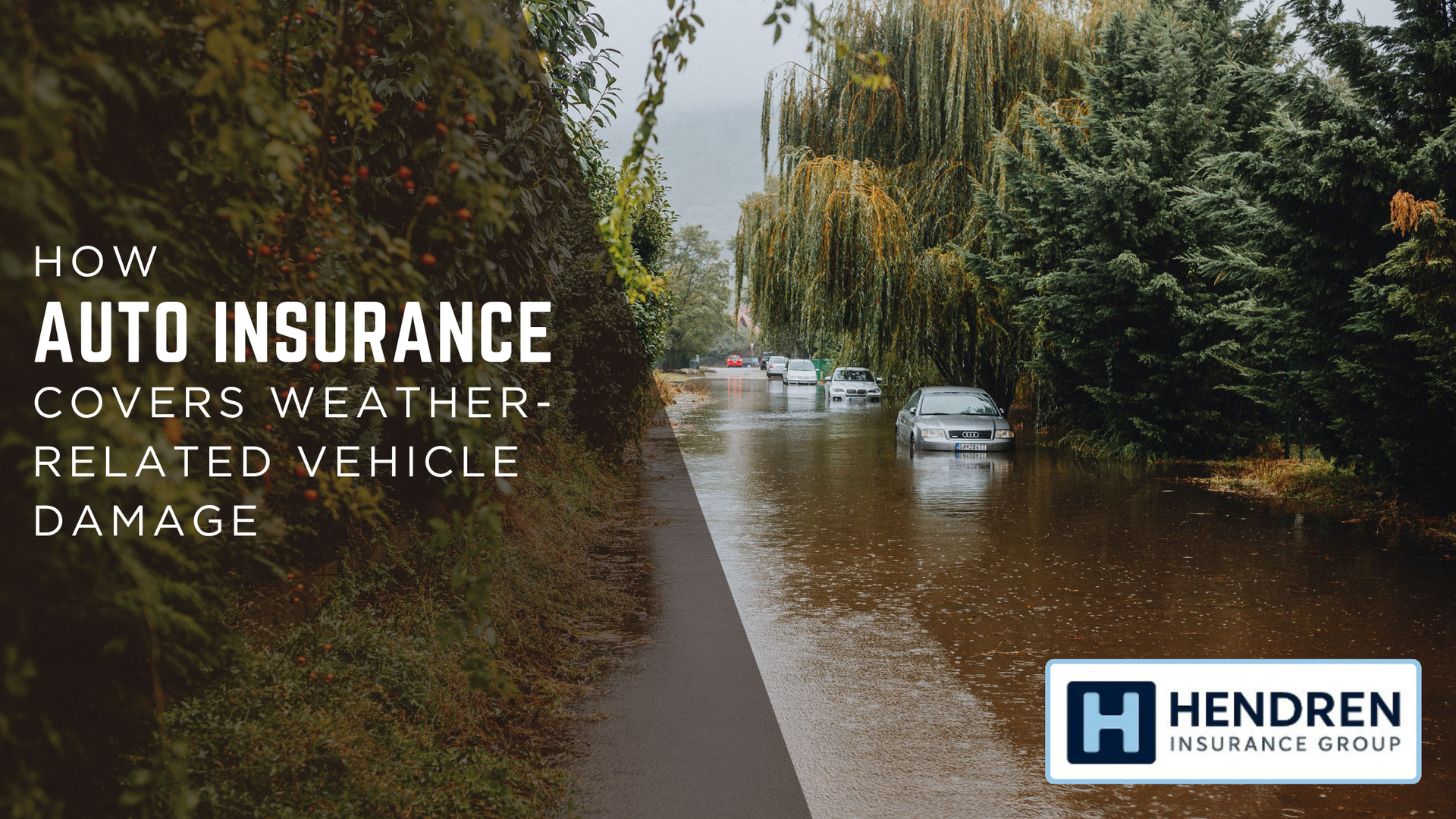
Hail, wind, flooding, falling branches, and other severe weather can damage a vehicle in minutes, but the type of auto insurance coverage you carry determines whether those repairs may be covered. For drivers in Owasso, OK, understanding how weather-related claims work can make it easier to choose appropriate protection before the next storm arrives.
Which Auto Insurance Coverage Applies to Weather Damage?
Most weather-related vehicle damage is handled through comprehensive coverage rather than
collision coverage.
Comprehensive coverage is an optional physical damage protection that generally applies to losses caused by events other than a collision with another vehicle or object. Depending on the policy and circumstances, it may help pay for damage caused by:
- Hail
- Windstorms
- Falling trees or branches
- Flooding
- Lightning
- Tornadoes
- Certain falling objects
- Fire caused by weather-related events
If a covered weather event damages the vehicle, the insurer may pay for repairs up to the vehicle's covered value, subject to the policy deductible and other terms.
How Hail Damage Is Typically Covered
Hail is one of the most familiar weather risks for vehicle owners. Even relatively small hailstones can dent body panels, damage trim, crack windshields, or affect mirrors and lights.
If the vehicle carries
comprehensive coverage, hail damage is generally handled as a comprehensive claim.
For example, if a storm leaves dozens of dents across the hood and roof, the insurer may arrange an inspection or request repair estimates. Depending on the severity of the damage, repairs may involve paintless dent removal, traditional bodywork, or replacement of damaged panels.
A common issue we see is drivers assuming that having "full coverage" automatically means every type of weather damage is protected. "Full coverage" is not a standardized policy term, so drivers should confirm whether comprehensive coverage is actually included.
What Happens If a Tree Falls on Your Car?
A fallen tree or branch can cause anything from a cracked windshield to severe structural damage.
When wind or a storm causes a branch to fall onto a parked vehicle,
comprehensive coverage usually applies if the loss is covered by the policy.
The situation may become more complicated if the tree fell because someone negligently failed to maintain a known hazard. In those cases, another party could potentially share responsibility, but that depends on the circumstances.
From the vehicle owner's perspective, filing under comprehensive coverage may still be the most direct route if appropriate coverage is in place.
Does Auto Insurance Cover Flood Damage?
Comprehensive coverage can generally help with direct flood-related damage to an insured vehicle.
Floodwater can cause extensive problems, including:
- Engine damage
- Electrical system failures
- Interior contamination
- Corrosion
- Transmission damage
- Computer and sensor failures
Vehicles exposed to deep water should not be started until they are inspected. Attempting to start a flooded engine can sometimes cause additional damage.
If floodwater reaches the interior or mechanical systems, document the condition with photographs and contact the insurer promptly.
Drivers traveling near areas around Mingo Creek or low-lying roadways should also avoid attempting to cross flooded streets.
Even if
insurance coverage is available, avoiding preventable damage is always preferable to filing a claim afterward.
What About Wind and Tornado Damage?
High winds can damage vehicles even when the vehicle itself is never moved.
Flying debris may break glass, dent panels, or damage headlights. Tornadoes and severe windstorms can also overturn vehicles or cause structures, signs, roofing materials, or other objects to strike them.
These losses generally fall under comprehensive coverage when the policy includes that protection.
If a moving vehicle is pushed by wind and then collides with another vehicle, guardrail, or structure, the claim could involve collision coverage instead. The exact cause of the damage determines which
coverage applies.
Does Glass Damage Have a Separate Deductible?
Windshields and windows are frequently damaged during hailstorms and high-wind events.
Glass claims are generally handled under comprehensive coverage, but deductible rules vary by insurer and policy.
Some policies apply the regular comprehensive deductible. Others may offer separate glass
coverage or a reduced deductible for windshield repair or replacement.
Drivers should review their policy before a claim to understand whether glass protection is included and what out-of-pocket amount may apply.
How Comprehensive Deductibles Work
A comprehensive deductible is the amount the policyholder generally pays toward a covered loss before the insurer pays the remaining eligible repair cost.
Suppose a storm causes $3,000 in covered vehicle damage and the policy has a $500 comprehensive deductible. The insurer may pay $2,500, assuming the repair amount is approved and no other policy limitations apply.
Selecting a higher deductible can reduce premium, but it also means paying more out of pocket after a claim.
Drivers should choose a deductible they could reasonably afford on short notice.
What If the Vehicle Is Declared a Total Loss?
Severe flooding, tornado damage, or falling objects can damage a vehicle beyond economical repair.
When the cost to repair a vehicle reaches the insurer's total-loss threshold, the carrier may declare it a total loss rather than pay for repairs.
Settlement is generally based on the vehicle's actual cash value or another valuation method specified by the policy, minus the applicable deductible.
If the owner still has an auto loan, the settlement is generally applied toward the loan balance first. If the insurance settlement is less than what is owed, gap insurance may become relevant if that
coverage was purchased and the loss qualifies.
What Should You Do After Weather Damages Your Vehicle?
After a storm, prioritize safety and document the damage before making permanent repairs.
Useful steps include:
- Photograph the vehicle from multiple angles
- Document broken glass, dents, water levels, or debris
- Prevent additional damage when safely possible
- Save receipts for emergency measures
- Contact your insurer or agent promptly
- Follow claim instructions before beginning major repairs
Avoid removing damaged parts or disposing of evidence before the insurer has had an opportunity to evaluate the loss unless immediate action is necessary for safety.
For drivers in Owasso, OK, reviewing comprehensive coverage before storm season can help confirm whether the vehicle is protected against the weather risks most likely to cause unexpected repair costs.
Conclusion
Weather-related vehicle damage is commonly covered through comprehensive auto insurance when the loss results from hail, flooding, wind, falling objects, or similar non-collision events.
Coverage still depends on the policy, deductible, vehicle value, and exact cause of the damage, so reviewing those details before a storm can help prevent surprises during the claims process.
At Hendren Insurance Group, we believe in protecting what matters most to you. Our experienced team is here to help you find insurance coverage that’s both affordable and customized to your unique needs. Contact us today at (918) 272-4700 or
CLICK HERE to request your free quote.
Disclaimer: The content of this blog is intended solely for general informational use. For advice tailored to your situation, consult a licensed insurance professional who can offer expert recommendations.
Hendren Insurance Group
Owasso, OK
(918) 272-4700
contact@insureowasso.com
https://www.insureowasso.com/