Water damage can be one of the most expensive problems a homeowner faces, but determining which insurance policy applies is not always straightforward. Heavy rainfall, overflowing waterways, and plumbing failures can cause similar damage while triggering very different coverage rules.
Understanding these distinctions before an incident occurs can help homeowners avoid unexpected financial losses.
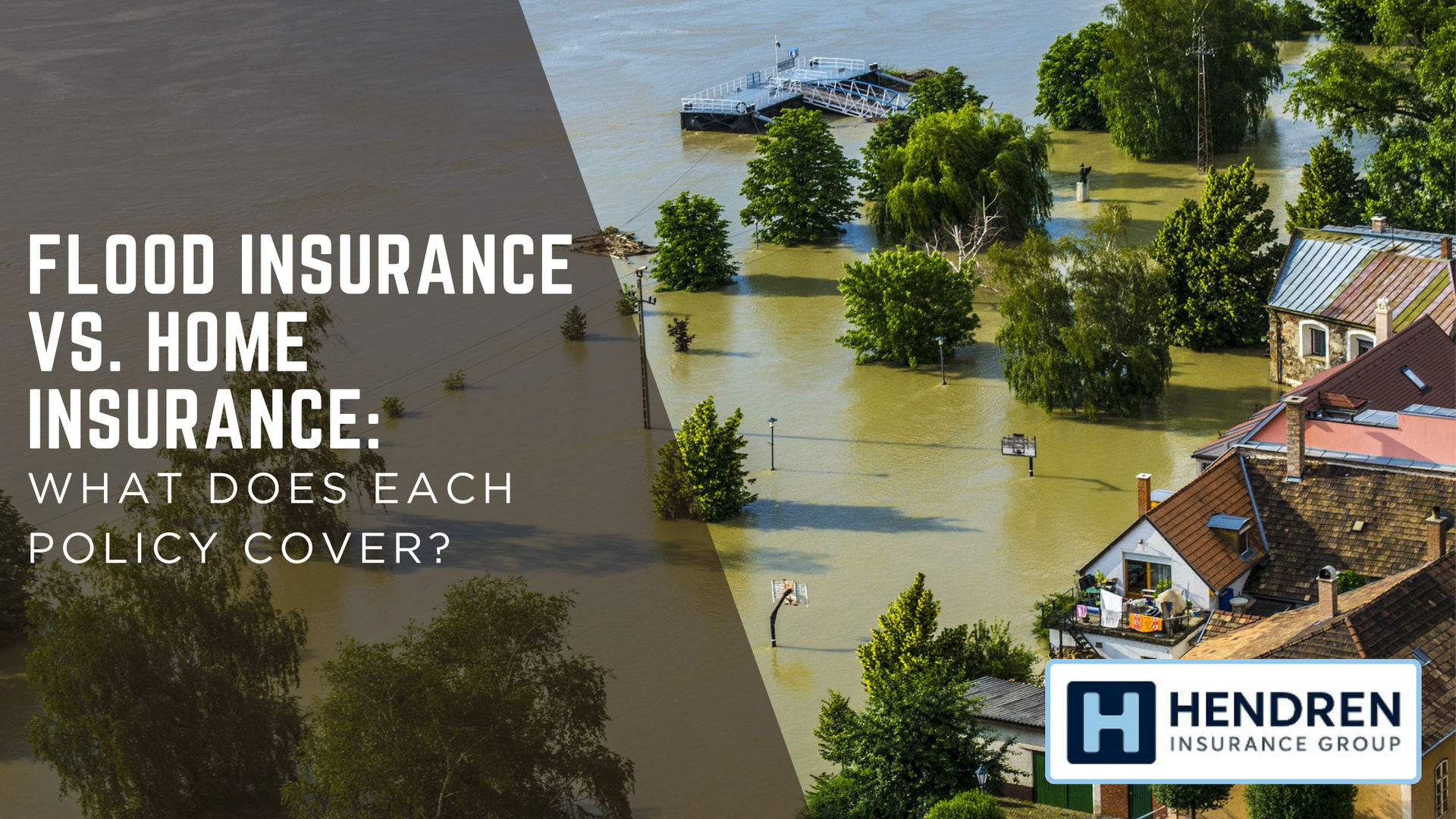
What Is the Difference Between Flood Insurance and Home Insurance?
The main difference between
flood insurance and homeowners insurance is the type of damage each policy is designed to cover.
Homeowners insurance
generally protects against specified risks, including fire, theft, windstorms, and certain sudden or accidental water damage.
Flood insurance
specifically covers qualifying direct physical damage caused by flooding, as defined by the policy.
Most standard homeowners insurance policies exclude flooding caused by rising surface water or overflowing rivers and streams.
For homeowners in Owasso, OK, maintaining appropriate protection may require both policies, depending on the property's location, financial exposure, and insurance needs.
What Does Homeowners Insurance Typically Cover?
Homeowners insurance generally combines several important protections.
Dwelling coverage helps pay for eligible repairs to the home's structure following a covered event.
Personal property coverage protects qualifying belongings, including furniture, clothing, and electronics.
Liability insurance may help address certain claims involving injuries or property damage for which the homeowner is legally responsible.
Many policies also provide additional living expenses coverage when a covered loss makes the home uninhabitable.
However, these protections are subject to coverage limits, deductibles, exclusions, and other policy conditions.
Does Homeowners Insurance Cover Water Damage?
Some types of water damage may be covered under homeowners insurance.
For example, sudden water damage from an accidentally ruptured plumbing pipe may qualify, depending on the policy and circumstances.
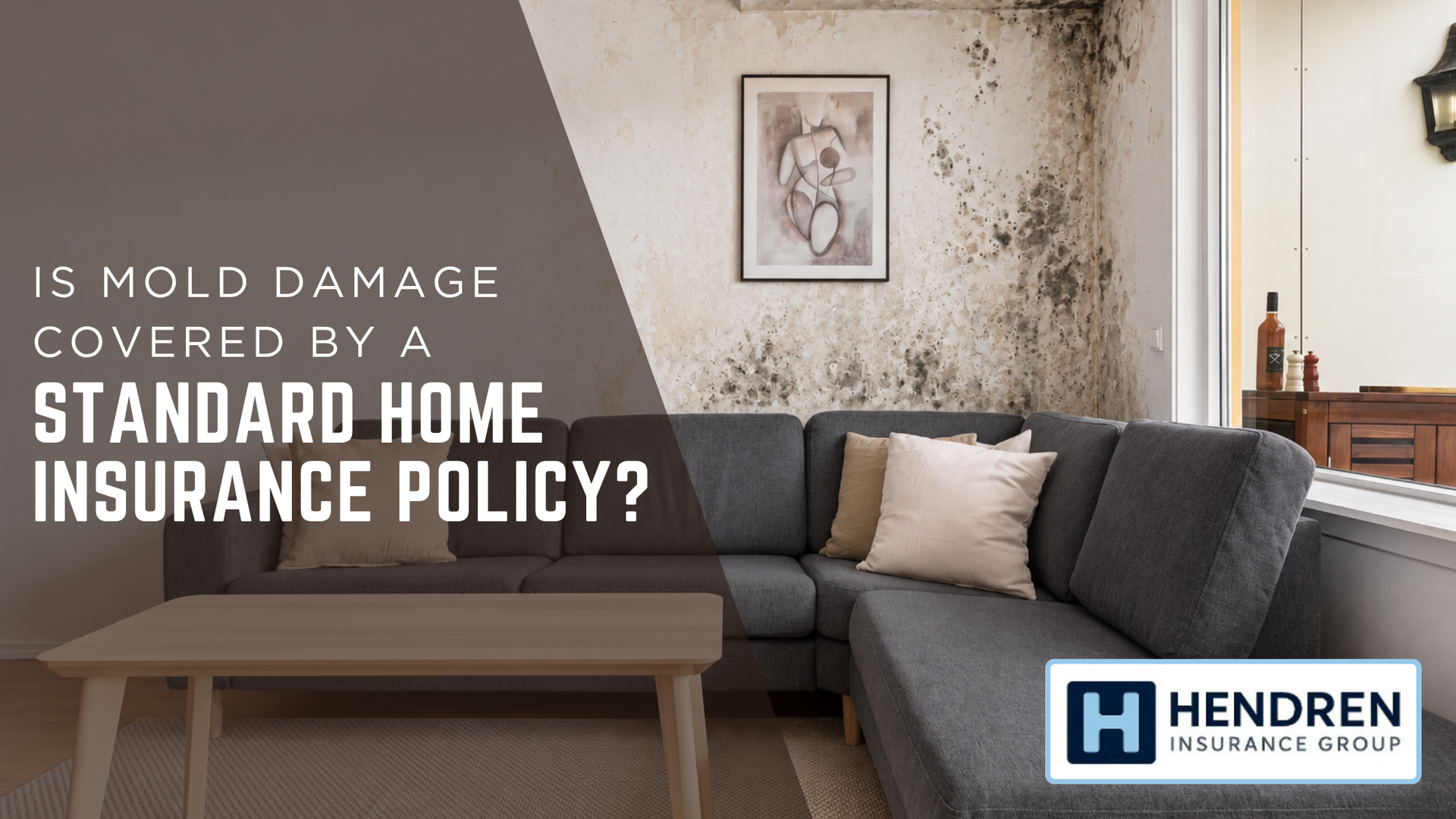
However, damage caused by gradual leaks, neglect, poor maintenance, or groundwater seepage is commonly excluded or restricted.
Sewer and drain backups may require an additional endorsement.
A common misunderstanding is assuming that all water entering a home is treated identically.
The source of the water, how the damage occurred, and the policy's language determine which coverage may apply.
What Does Flood Insurance Cover?
Flood insurance protects against direct physical losses caused by qualifying flooding.
Under the National Flood Insurance Program (NFIP), a flood generally involves temporary inundation of at least two acres of normally dry land or two properties, one of which is the insured property.
Covered flooding may result from overflowing waterways, unusual and rapid accumulation of surface water, or qualifying mudflow.
NFIP coverage is divided into two categories.
- Building coverage
may protect the home's foundation, electrical systems, plumbing, water heaters, and certain permanently installed appliances.
- Contents coverage may protect eligible personal belongings, including furniture, clothing, and electronics.
Building and contents coverage are purchased separately and generally have separate deductibles.
Homeowners should confirm that both protections are included when reviewing their flood insurance.
What Does Flood Insurance Not Cover?
Flood insurance does not reimburse every expense associated with a flood.
Under standard NFIP policies, important exclusions and limitations include:
- Temporary housing and additional living expenses.
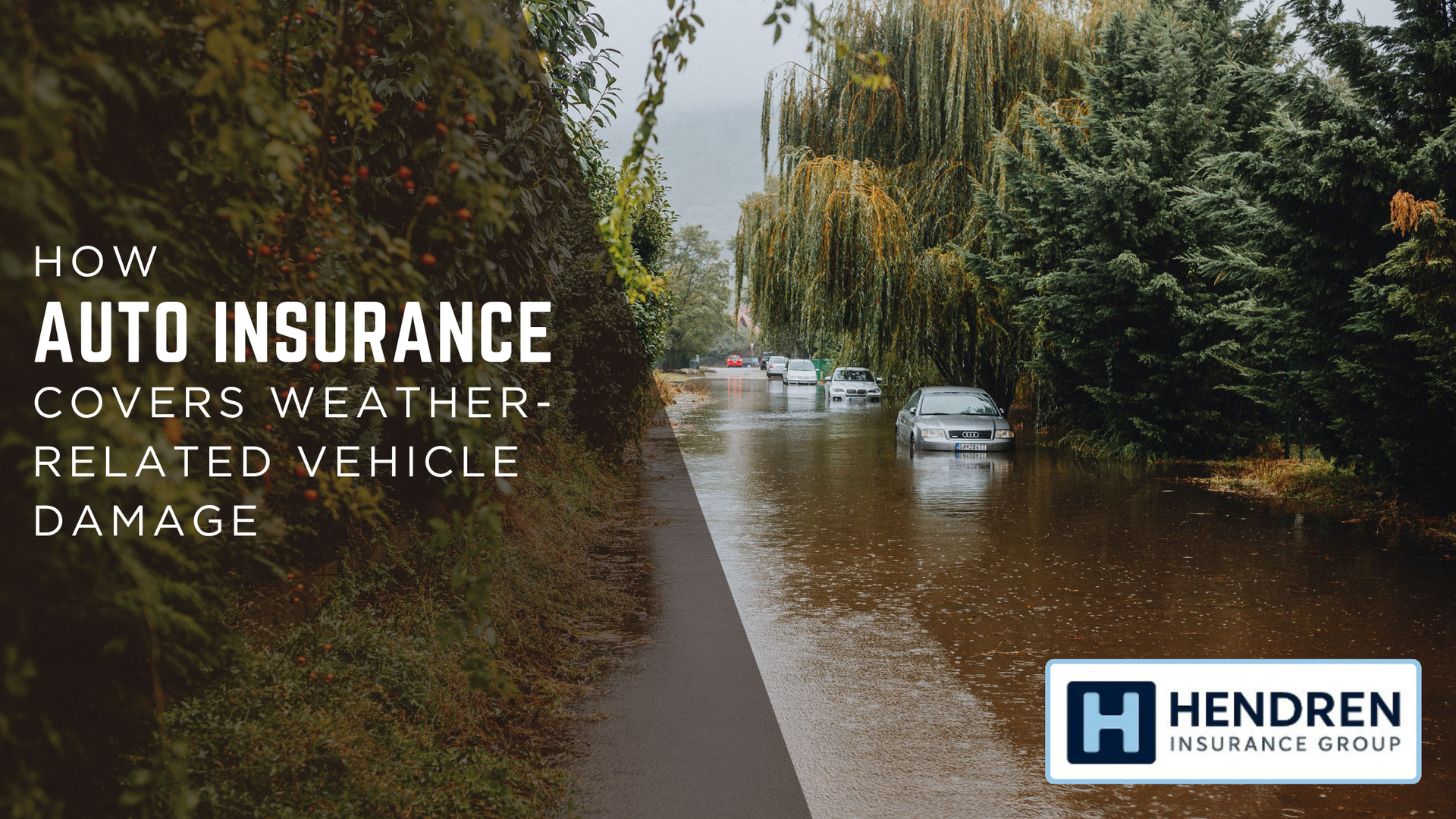
- Most vehicles and their equipment.
- Landscaping, patios, fences, and many outdoor structures.
- Currency and certain valuable documents.
- Many belongings and improvements located in basements.
- Financial losses unrelated to covered physical flood damage.
NFIP basement coverage is particularly restricted, even when the finished space contains expensive improvements.
Private flood insurance policies may offer different limits and optional protections.
However, broader coverage should never be assumed without reviewing the contract.
Are Flood Insurance and Homeowners Insurance Both Necessary?
Homeowners insurance and
flood insurance address different exposures, making them complementary rather than interchangeable.
Consider a home damaged during a severe storm.
Wind may damage the roof, allowing rain to enter through the opening. Depending on the circumstances, the resulting damage may fall under homeowners insurance.
If heavy rainfall also causes surface water to accumulate and enter the home at ground level, that damage may require flood insurance.
The same storm can therefore produce losses handled differently by insurance policies.
Homeowners should document damage carefully and allow insurers to evaluate the applicable causes of loss.
Is Flood Insurance Required in Oklahoma?
Oklahoma does not universally require every homeowner to purchase
flood insurance.
However, federal flood insurance requirements generally apply to certain buildings securing federally regulated or backed mortgage loans when located in designated Special Flood Hazard Areas within participating communities.
Mortgage lenders may also impose additional contractual insurance requirements.
Importantly, properties outside high-risk flood zones can still experience flooding.
For households near the Redbud District or recreational areas around Centennial Park, reviewing the property's specific flood exposure is more useful than assuming that inland locations are protected from flooding.
Flood zone designations are important, but they do not predict every potential flooding event.
How Much Flood Insurance Coverage Can You Purchase?
The NFIP generally offers residential building coverage up to $250,000 and personal property coverage up to $100,000 for qualifying one-to-four-family residential properties.
These are maximum program limits, not automatically recommended coverage amounts.
Homes requiring greater protection may need additional or alternative private
flood insurance, subject to availability and underwriting.
Flood insurance premiums depend on property-specific risk factors, building characteristics, replacement costs, and other rating considerations.
Homeowners insurance premiums involve different underwriting factors.
Comparing premiums alone can be misleading when policies have different limits, deductibles, exclusions, and valuation provisions.
When Does Flood Insurance Coverage Begin?
NFIP policies generally have a 30-day waiting period before coverage becomes effective.
Certain exceptions apply, including qualifying situations involving mortgage loan transactions and other circumstances specified by program rules.
Private insurers may establish different effective-date requirements.
Waiting until severe weather is forecast may therefore leave homeowners without coverage for an approaching event.
Review effective dates carefully and avoid assuming that purchasing a policy provides immediate protection.
How Can Homeowners Identify Coverage Gaps?
An annual insurance review can help identify protection that no longer reflects the property's value or exposure.
Homeowners should examine dwelling limits, personal property coverage, deductibles, flood insurance options, and water backup endorsements.
A homeowner planning improvements near Owasso Lake may also want to review whether changes to the property's drainage or construction affect insurance considerations.
For households in Owasso, OK, comparing homeowners and flood coverage together can help clarify which risks remain uninsured.
Conclusion
Homeowners insurance and
flood insurance provide different forms of financial protection.
While homeowners insurance may cover certain sudden water losses and other covered events, it generally excludes flooding from rising surface water.
Flood insurance addresses qualifying flood damage but has its own limitations, deductibles, and exclusions.
Understanding these differences before a storm or water damage incident can help homeowners select more appropriate protection.
At Hendren Insurance Group, we believe in protecting what matters most to you. Our experienced team is here to help you find insurance coverage that’s both affordable and customized to your unique needs. Contact us today at (918) 272-4700 or
CLICK HERE to request your free quote.
Disclaimer: The content of this blog is intended solely for general informational use. For advice tailored to your situation, consult a licensed insurance professional who can offer expert recommendations.
Hendren Insurance Group
Owasso, OK
(918) 272-4700
contact@insureowasso.com
https://www.insureowasso.com/