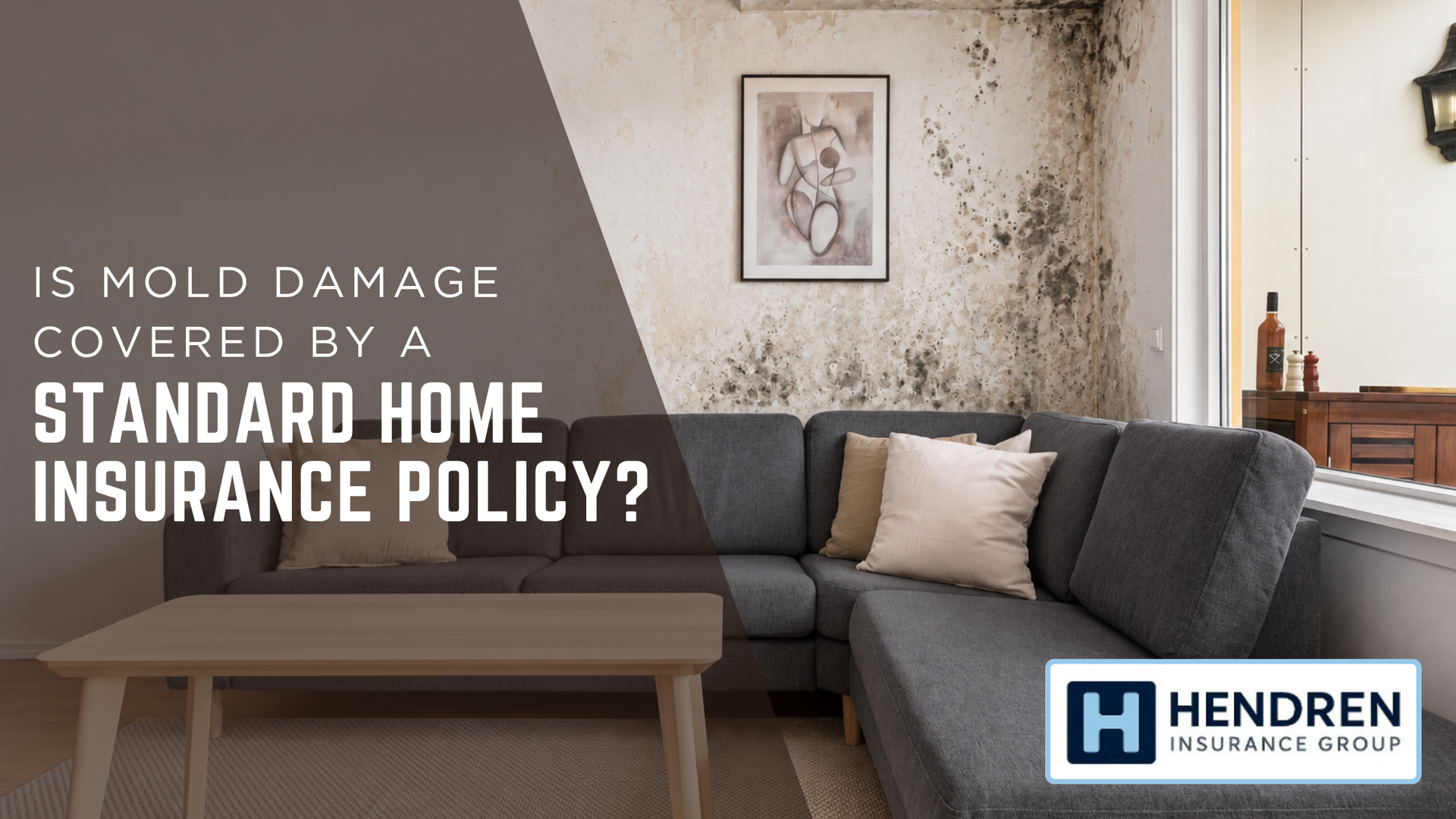
Mold can appear after a hidden leak, storm damage, plumbing failure, or prolonged moisture problem, leaving homeowners unsure whether insurance will help pay for cleanup and repairs. For homeowners in Owasso, OK, the answer usually depends less on the mold itself and more on what caused the moisture that allowed it to grow.
Does Home Insurance Cover Mold Damage?
A
standard homeowners insurance policy may cover certain mold-related damage when the mold results from a sudden and accidental event that is itself covered by the policy. However, mold caused by long-term moisture, poor maintenance, humidity, or an unresolved leak is commonly excluded or limited.
In other words, insurers generally focus on the source of the water or moisture.
For example, if a covered plumbing pipe suddenly bursts inside a wall and water damage leads to mold before the area can be fully dried, the resulting mold remediation may potentially receive some coverage, subject to the terms and limits of the policy.
By contrast, mold that develops because a roof has been leaking slowly for months may not be covered if the underlying problem resulted from deterioration or lack of maintenance.
Why the Cause of the Mold Matters
Home insurance is generally designed to respond to sudden, accidental losses rather than gradual deterioration.
That distinction is important because mold itself is usually a secondary condition. Something first introduced or allowed moisture into the structure.
Potentially covered situations may include mold resulting from certain insured events, such as:
- A sudden burst pipe
- Accidental discharge from a covered plumbing system
- Water used to extinguish a covered house fire
- Certain storm-related damage that allows water into the home
Coverage depends on the actual policy language and circumstances of the loss. Even when the initial water event is covered, mold-related expenses may have separate limits or conditions.
A common issue we see is homeowners assuming that because water damage is visible, every resulting problem will automatically fall under the same coverage. Insurance claims are evaluated based on the cause of loss, exclusions, timing, and the homeowner's response after discovering the damage.
When Mold Is Commonly Not Covered
Homeowners insurance usually does not function as a maintenance plan.
If moisture develops gradually because of conditions the homeowner could reasonably have addressed, mold damage may be excluded.
Examples may include:
- Repeated plumbing leaks that were not repaired
- Poor bathroom ventilation
- Ongoing condensation problems
- Water entering through deteriorated caulking or seals
- A roof that has leaked over an extended period
- Persistent dampness in a basement or crawlspace
Mold caused by flooding can also present a separate issue. Standard homeowners policies typically exclude damage caused by external flooding. Flood insurance may provide different protection, but its terms and mold provisions should be reviewed separately.
Are There Special Limits for Mold Remediation?
Some
homeowners policies include limited coverage for mold, fungi, wet rot, or bacteria when they result from a covered loss.
The policy may place a specific dollar limit on expenses related to testing, removal, treatment, or repairs involving mold.
That limit can be significantly lower than the overall dwelling coverage amount.
For example, a home may have several hundred thousand dollars of dwelling protection while mold remediation is subject to a much smaller sublimit. The exact amount varies by insurer and policy.
Some carriers may also offer endorsements that expand mold-related coverage.
Homeowners should review whether their policy includes:
- A mold or fungi sublimit
- Additional remediation coverage
- Testing expenses
- Tear-out and replacement costs
- Specific exclusions for repeated seepage or leakage
Understanding these provisions before a claim occurs can prevent surprises.
What Should You Do After Discovering Mold?
If mold appears after a sudden water event,
homeowners should act promptly.
The first priority is stopping additional water from entering the property when it is safe to do so. Delaying reasonable mitigation can allow damage to spread and may complicate the claim.
Practical steps include:
- Stop or control the water source if possible
- Photograph the affected areas
- Document damaged property
- Avoid disturbing large areas of mold unnecessarily
- Keep records of emergency repairs
- Contact your insurance agent or carrier promptly
- Follow professional recommendations for drying and remediation
Do not permanently repair or discard significant damaged materials before documenting the condition unless immediate action is necessary for safety or to prevent further damage.
Homes near areas such as the Redbud District or around Centennial Park can face the same kinds of plumbing, storm, and moisture exposures as properties elsewhere. The age, construction, ventilation, and maintenance history of the individual home often matter more than its neighborhood.
Can Homeowners Help Prevent Mold Claims?
Preventing excess moisture is one of the most effective ways to reduce mold problems.
Homeowners should routinely inspect areas where leaks commonly develop, including under sinks, around water heaters, near washing machines, around windows, and beneath roofing penetrations.
Other practical precautions include:
- Repair plumbing leaks promptly
- Maintain roofs and gutters
- Use bathroom and kitchen ventilation
- Monitor crawlspaces and attics for moisture
- Replace failing appliance supply lines
- Address unexplained stains or odors early
- Keep indoor humidity at reasonable levels
For homeowners in Owasso, OK, reviewing water-damage exclusions and mold limitations during a policy review can be just as important as checking dwelling limits and deductibles.
Should You Add Extra Mold Coverage?
Whether additional mold protection makes sense depends on the home, available endorsements, insurer, and homeowner's concerns.
Older properties, homes with previous water problems, or properties with moisture-prone areas may deserve a closer review.
An
insurance professional can help explain what the current policy covers, identify any mold-related sublimits, and determine whether broader endorsements are available.
Conclusion
Mold damage is not automatically covered or excluded under every
homeowners insurance claim. Coverage often depends on whether the mold resulted from a sudden covered event or from gradual moisture, maintenance problems, flooding, or another excluded cause. Reviewing the source of the damage, policy exclusions, mold sublimits, and available endorsements can help homeowners understand where their protection begins and ends.
At Hendren Insurance Group, we believe in protecting what matters most to you. Our experienced team is here to help you find insurance coverage that’s both affordable and customized to your unique needs. Contact us today at (918) 272-4700 or
CLICK HERE to request your free quote.
Disclaimer: The content of this blog is intended solely for general informational use. For advice tailored to your situation, consult a licensed insurance professional who can offer expert recommendations.
Hendren Insurance Group
Owasso, OK
(918) 272-4700
contact@insureowasso.com
https://www.insureowasso.com/