Homeowners insurance can protect against many common losses, but it is not designed to cover every type of damage or liability exposure. For homeowners in Owasso, OK, understanding common exclusions before a loss occurs can help prevent unpleasant surprises and make it easier to decide whether additional coverage is appropriate.
Why Home Insurance Has Coverage Gaps
A
standard homeowners policy generally combines several types of protection, including coverage for the dwelling, personal belongings, liability, and additional living expenses after certain covered losses.
However, every policy also contains exclusions, limitations, deductibles, and special limits.
In our work with homeowners, one of the most common misunderstandings is assuming that if damage happens suddenly or is expensive, the policy must cover it. Coverage depends on the cause of loss, policy wording, endorsements, and specific circumstances.
That is why reviewing exclusions can be just as important as reviewing coverage limits.
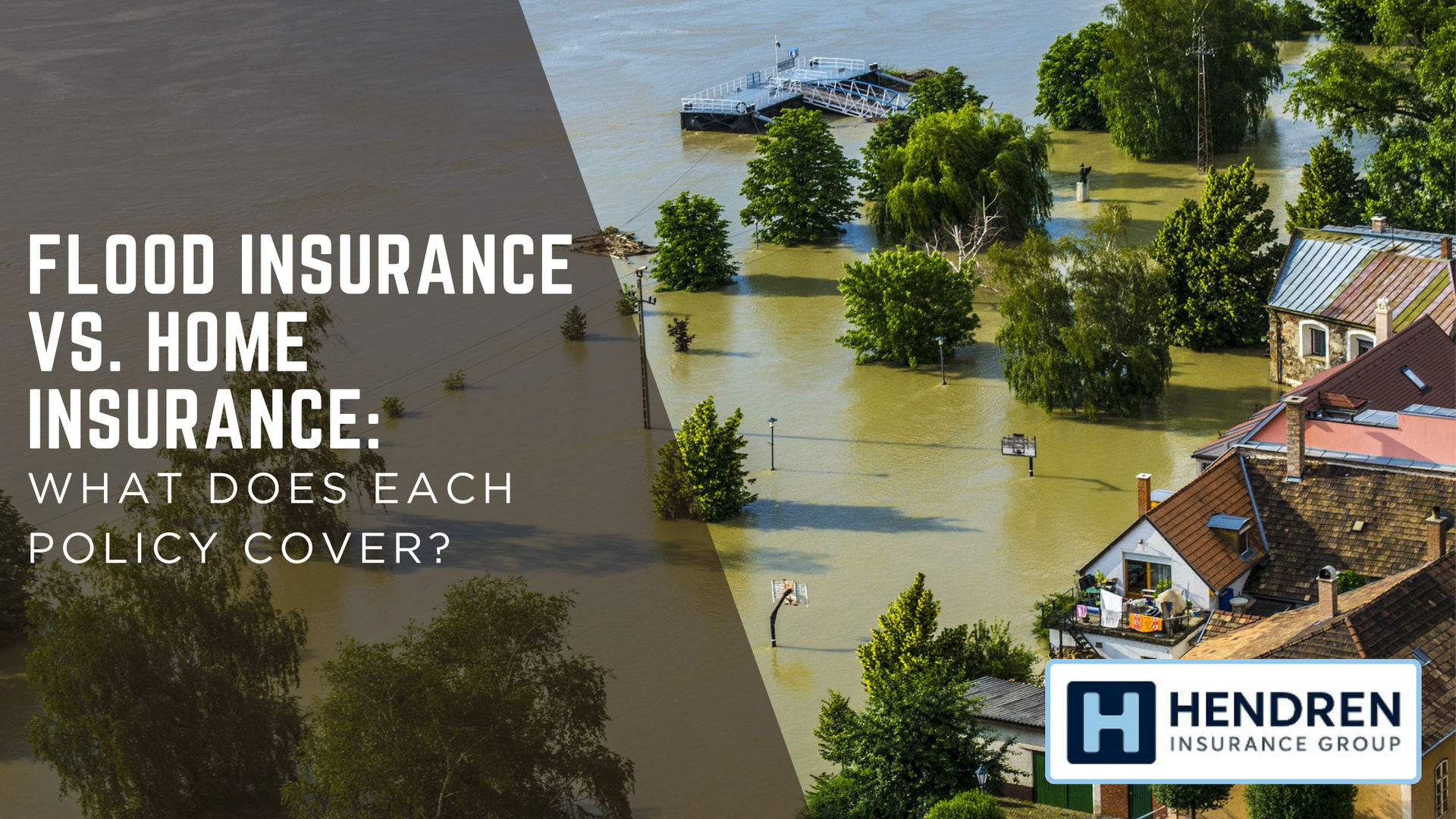
Flood Damage Is Usually Excluded
One of the most important exclusions in standard
homeowners insurance is flooding.
Home insurance generally does not cover damage caused by rising surface water, overflowing bodies of water, or similar flood events.
Flood insurance is typically purchased separately through the National Flood Insurance Program or a private flood insurer.
Homeowners should not assume that living outside a designated high-risk flood zone means flood coverage is unnecessary. Heavy rain, drainage problems, and changing development patterns can create water exposure in areas that are not considered the highest-risk zones.
If flood damage is a concern, ask your insurance professional what separate flood options are available and what waiting periods may apply.
Earth Movement May Require Separate Coverage
Standard
homeowners policies also commonly exclude certain forms of earth movement.
This category can include earthquakes, land movement, landslides, and related events, depending on policy language.
Earthquake coverage may be available through an endorsement or separate policy.
The deductible structure can also be different from a standard home deductible. Earthquake deductibles may sometimes be calculated as a percentage of the insured value of the home rather than as a flat dollar amount.
Homeowners should review the actual terms rather than assuming all natural disasters are automatically insured.
Normal Wear And Tear Is Not an Insurance Loss
Home insurance is designed primarily for sudden and accidental covered events, not routine maintenance.
Examples of losses that are typically considered maintenance-related include:
- Worn roofing materials
- Deteriorated siding
- Aging plumbing
- Rust
- Rot
- Mechanical wear
- Gradual leaks
- Deferred maintenance
Suppose an older roof begins leaking because the shingles have deteriorated over many years. Replacing the worn roof itself would generally be considered a homeowner maintenance responsibility.
If a covered storm damages an otherwise serviceable roof, however, the situation may be handled differently.
The distinction between sudden damage and gradual deterioration is important during claims.
Sewer And Drain Backup May Need an Endorsement
Water backing up through a sewer, drain, or sump system is another loss that may not be fully covered under a standard policy.
Many insurers offer water backup coverage as an optional endorsement.
This coverage can be particularly useful because backup events may damage flooring, drywall, furniture, appliances, and stored belongings.
For homes near neighborhoods such as Bailey Ranch or Stone Canyon, finished lower-level spaces, utility areas, and valuable stored property can increase the financial impact of a water backup.
Review the endorsement limit carefully because it may be lower than the overall dwelling or personal property limits.
Service Lines May Not Be Automatically Covered
Homeowners are often surprised to learn that they may be financially responsible for underground utility lines located on their property.
Depending on the situation, these can include:
- Water lines
- Sewer lines
- Electrical lines
- Communication lines
If an underground line fails due to a covered cause, a standard homeowners policy may provide limited or no protection for excavation and repair.
Some insurers offer service line coverage as an endorsement.
This can help address certain repair costs associated with damaged underground lines, subject to the policy's terms and exclusions.
Home-Based Businesses Can Create Coverage Gaps
A
standard homeowners policy is primarily designed for personal residential exposures.
If you operate a business from home, coverage for business equipment, inventory, customers, or professional liability may be limited.
For example, someone who stores several thousand dollars of business equipment in a home office may have only limited protection under the homeowners policy.
A customer injured while visiting the home for business purposes can also raise liability issues.
Depending on the business, additional protection might include:
- A home-business endorsement
- Business owners policy
- General liability insurance
- Professional liability insurance
- Commercial property coverage
The right solution depends on what the business does and how much commercial activity takes place at the residence.
High-Value Personal Property May Have Special Limits
Homeowners policies usually include personal property coverage, but certain categories of belongings can have special limits.
These may include:
- Jewelry
- Fine art
- Firearms
- Collectibles
- Silverware
- Valuable electronics
- Certain business property
A policy might provide substantial overall personal property coverage while still limiting how much it will pay for theft of jewelry or other specific items.
Homeowners with valuable belongings should ask whether scheduled personal property coverage is appropriate.
Scheduling an item may allow for higher limits and broader protection than relying on the standard personal property section alone.
Certain Dog Liability Risks May Be Restricted
Homeowners liability insurance may help when someone is injured by a household pet, but coverage varies by insurer.
Some carriers may impose restrictions based on the dog's history, breed, behavior, or other underwriting factors.
A prior bite or documented aggressive behavior may affect eligibility.
Homeowners should disclose pets accurately when applying for coverage and ask specifically how animal liability claims are handled.
Assuming every dog-related incident is automatically covered can create a serious financial risk.
Intentional Damage Is Generally Excluded
Insurance is not designed to pay for intentional acts by the insured.
If someone intentionally damages property or deliberately injures another person, homeowners insurance generally will not provide coverage for that intentional conduct.
Fraudulent claims are also excluded and can have serious legal consequences.
The purpose of insurance is to protect against covered accidental losses—not losses intentionally created by the policyholder.
Vacant Homes Can Have Different Rules
A home that remains vacant for an extended period may face reduced coverage.
Policies may limit or exclude certain losses after a property has been vacant for a specified amount of time.
Examples may include vandalism, theft, water damage, or glass breakage.
This matters when someone:
- Moves before selling a home
- Inherits an unoccupied property
- Renovates a vacant house
- Owns a second property that sits unused
If a home will be vacant, notify the insurance company. A vacancy endorsement or specialized policy may be necessary.
Ordinance And Law Costs Can Exceed Standard Coverage
When an older home is significantly damaged, rebuilding may require compliance with current building codes.
Those upgrades can increase the cost of repairs.
For example, damaged electrical, roofing, structural, or plumbing systems may need to be brought up to current standards rather than simply replaced exactly as they existed before the loss.
Ordinance or law coverage can help address certain additional expenses related to required code upgrades.
Homeowners with older properties should review whether their policy includes enough protection for this exposure.
How to Identify And Close Coverage Gaps
The best time to identify gaps is before filing a claim.
A practical annual review should include:
- Current rebuilding cost
- Personal property values
- Flood exposure
- Water backup coverage
- Service line coverage
- Valuable items
- Home-business activities
- Household pets
- Umbrella liability needs
- Recent renovations or additions
Homeowners in Owasso, OK should also update their insurance professional after major property changes rather than waiting until the annual renewal.
Adding a pool, detached structure, home office, expensive jewelry, or major renovation can materially change insurance needs.
Conclusion
Home insurance provides broad protection, but important exclusions can apply to flooding, wear and tear, sewer backup, business activity, high-value belongings, vacancy, and other exposures. Reviewing these gaps before a claim occurs gives homeowners time to add endorsements, purchase separate policies, or adjust coverage limits where necessary.
At Hendren Insurance Group, we believe in protecting what matters most to you. Our experienced team is here to help you find insurance coverage that’s both affordable and customized to your unique needs. Contact us today at (918) 272-4700 or
CLICK HERE to request your free quote.
Disclaimer: The content of this blog is intended solely for general informational use. For advice tailored to your situation, consult a licensed insurance professional who can offer expert recommendations.
Hendren Insurance Group
Owasso, OK
(918) 272-4700
contact@insureowasso.com
https://www.insureowasso.com/